British Values
British Values are taught in primary schools to help children grow into respectful, responsible and active members of society. They include democracy, the rule of law, individual liberty, and mutual respect and tolerance of different faiths and beliefs.
In a primary school setting, these values are introduced in age‑appropriate ways through daily school life. Children learn about democracy by voting for school council representatives and having their voices heard in class discussions. The rule of law is taught through clear school rules, routines and understanding why rules are important for keeping everyone safe. Individual liberty is encouraged by helping children make choices, express opinions and develop confidence. Mutual respect and tolerance are promoted by celebrating diversity, learning about different cultures and religions, and teaching children how to treat others with kindness and fairness.
British Values are embedded across the curriculum, assemblies, behaviour expectations and wider school activities, helping children develop strong moral, social and cultural understanding.
What are British Values?
Look For:
- School or class councils, eco‑council, digital leaders, play leaders etc., with clear election or selection processes pupils understand.
- Examples of decision‑making involving pupils (e.g. voting on class books, topics, playground equipment, behaviour rewards).
- Displays or newsletter evidence that show pupil voice influencing change.
Look for:
- Resources and displays representing a range of cultures, families, faiths and abilities in a respectful, non‑tokenistic way.
- RE/PSHE work that explores different religions, world-views, and non‑faith perspectives, including visits/visitors where possible.
- Adults explicitly modelling respectful language, active listening, and challenge to unkind or prejudiced remarks.
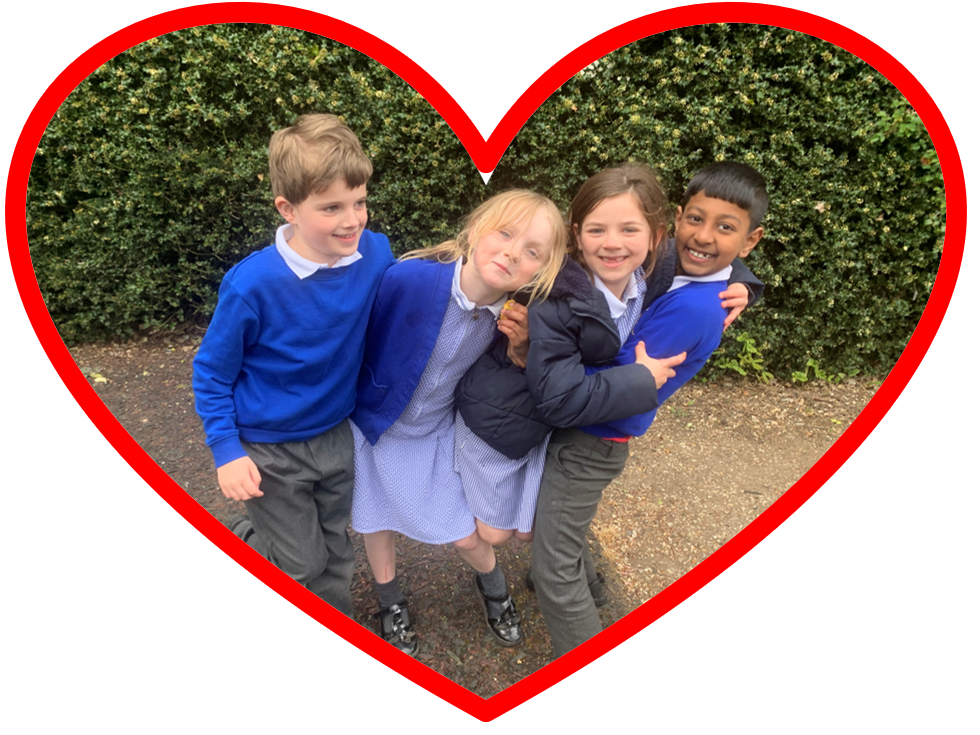
Look For:
- Opportunities for choice in learning and wider offer (clubs, responsibilities, leadership roles).
- Teaching that supports pupils to understand rights and responsibilities, including online safety, consent and speaking up if something is wrong.
- Culture of psychological safety: children feel confident to share opinions, ask questions, say “I don’t understand”.

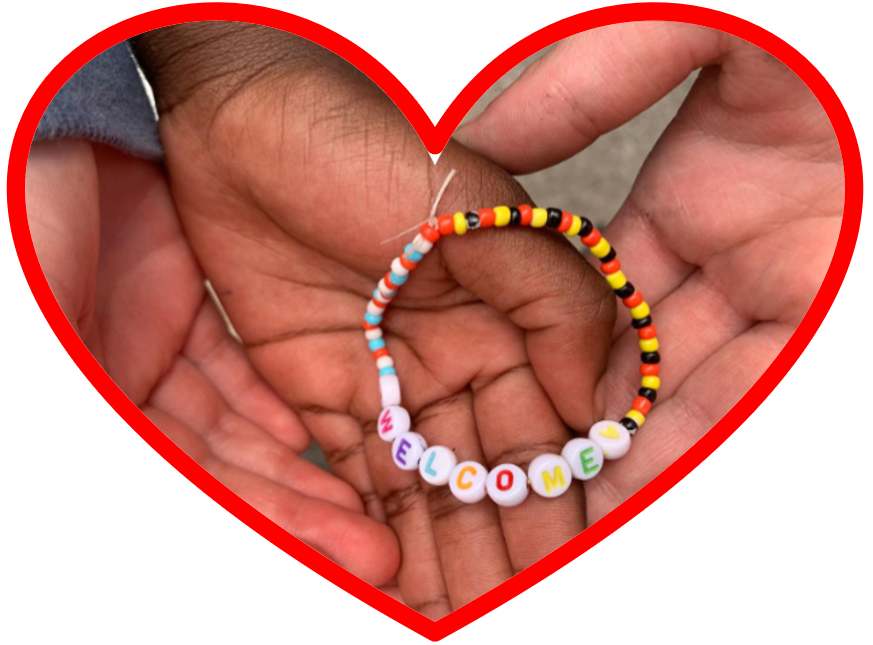
Look for:
- Resources and displays representing a range of cultures, families, faiths and abilities in a respectful, non‑tokenistic way.
- RE/PSHE work that explores different religions, worldviews, and non‑faith perspectives, including visits/visitors where possible.
- Adults explicitly modelling respectful language, active listening, and challenge to unkind or prejudiced remarks.
Look For:
- Clear, positively framed school and class rules developed with pupil input (“We are ready, respectful, safe”).
- Consistent adult modelling and reinforcement of rules and boundaries.
- Restorative approaches, clear consequences, and children able to explain why rules matter for safety and fairness.